Pick yours.
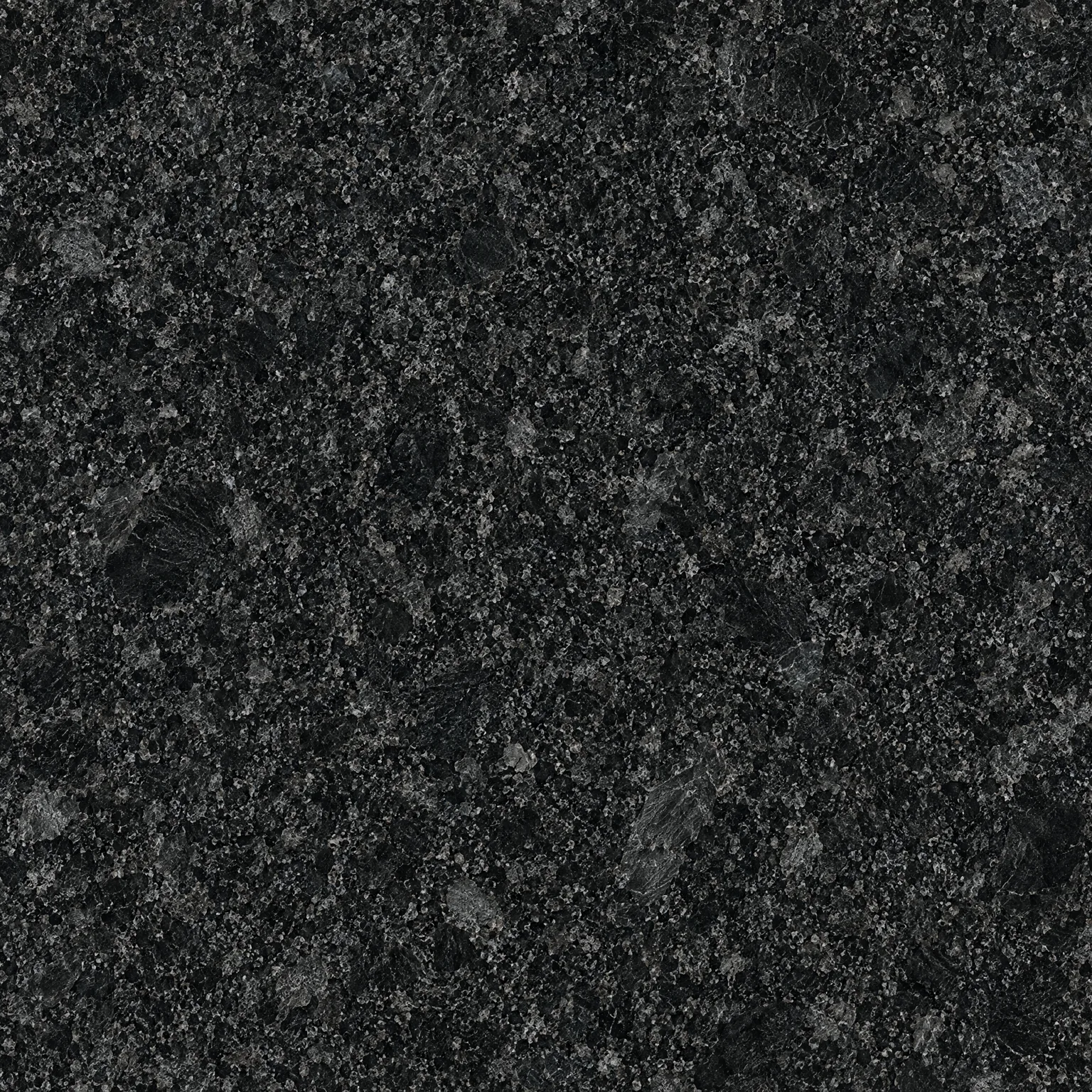
Nero Impala
South Africa, near Rustenburg
Evenly dark grey, because its minerals are spread evenly. Once mostly for gravestones, today for floors, stairs, countertops and facades.
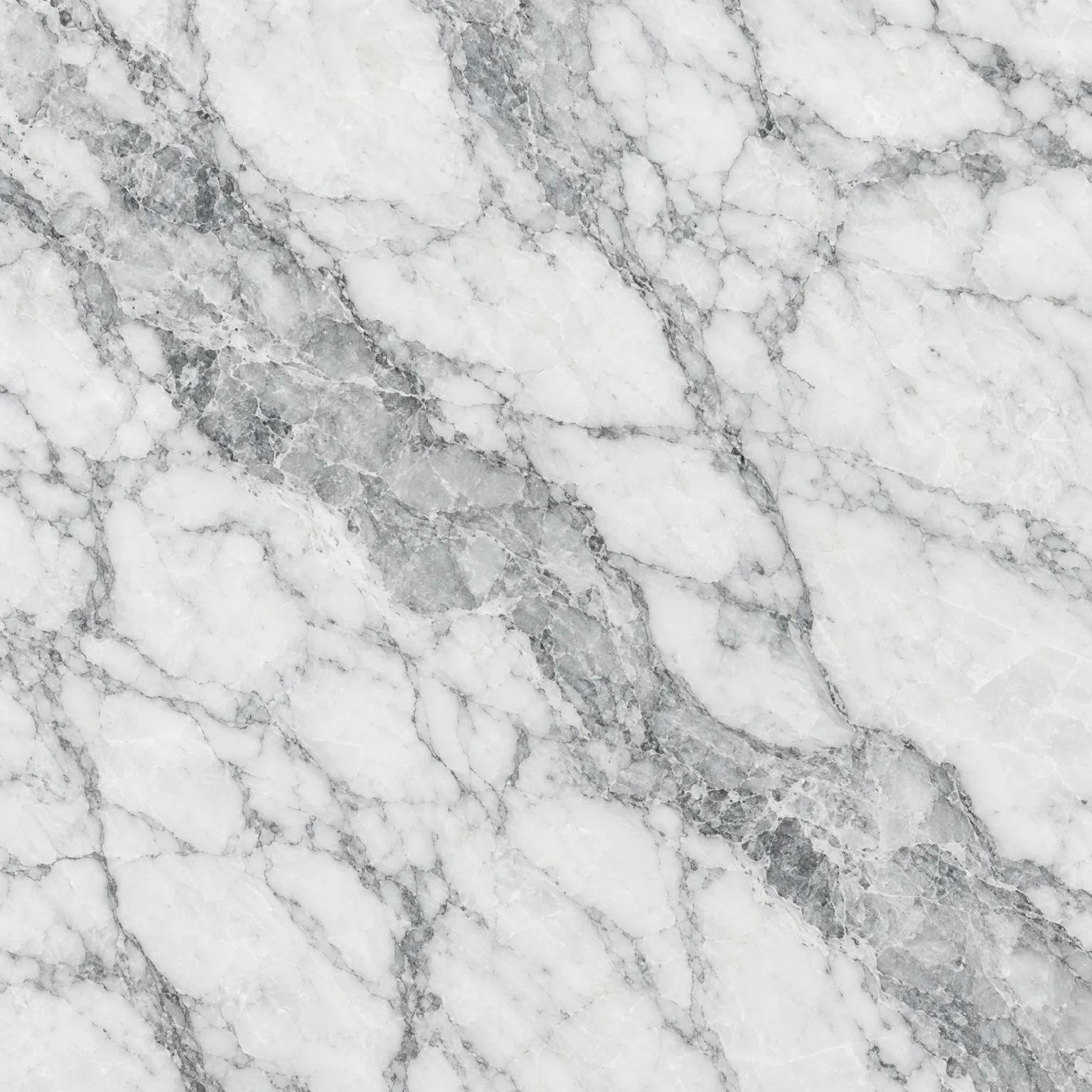
Statuarietto
Italy, Carrara (Apuan Alps)
White ground with a grey net of veins, one of the Carrara marble varieties. Carrara marble has been quarried since Roman times, for sculpture and interior finishes.
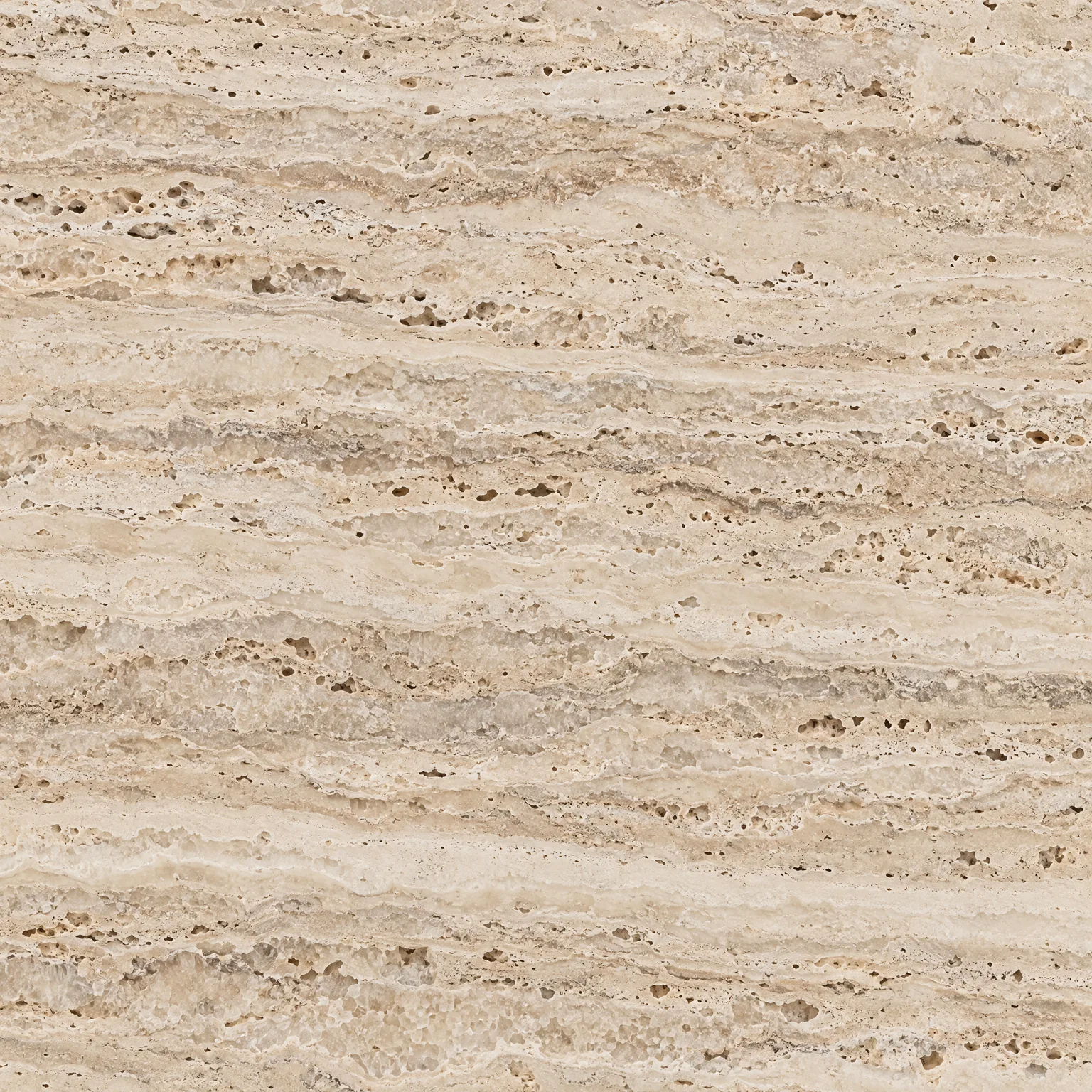
Travertino Romano
Italy, Tivoli near Rome
Creamy, with natural pores left by plants. The building stone of Rome since antiquity, used all over the world today.
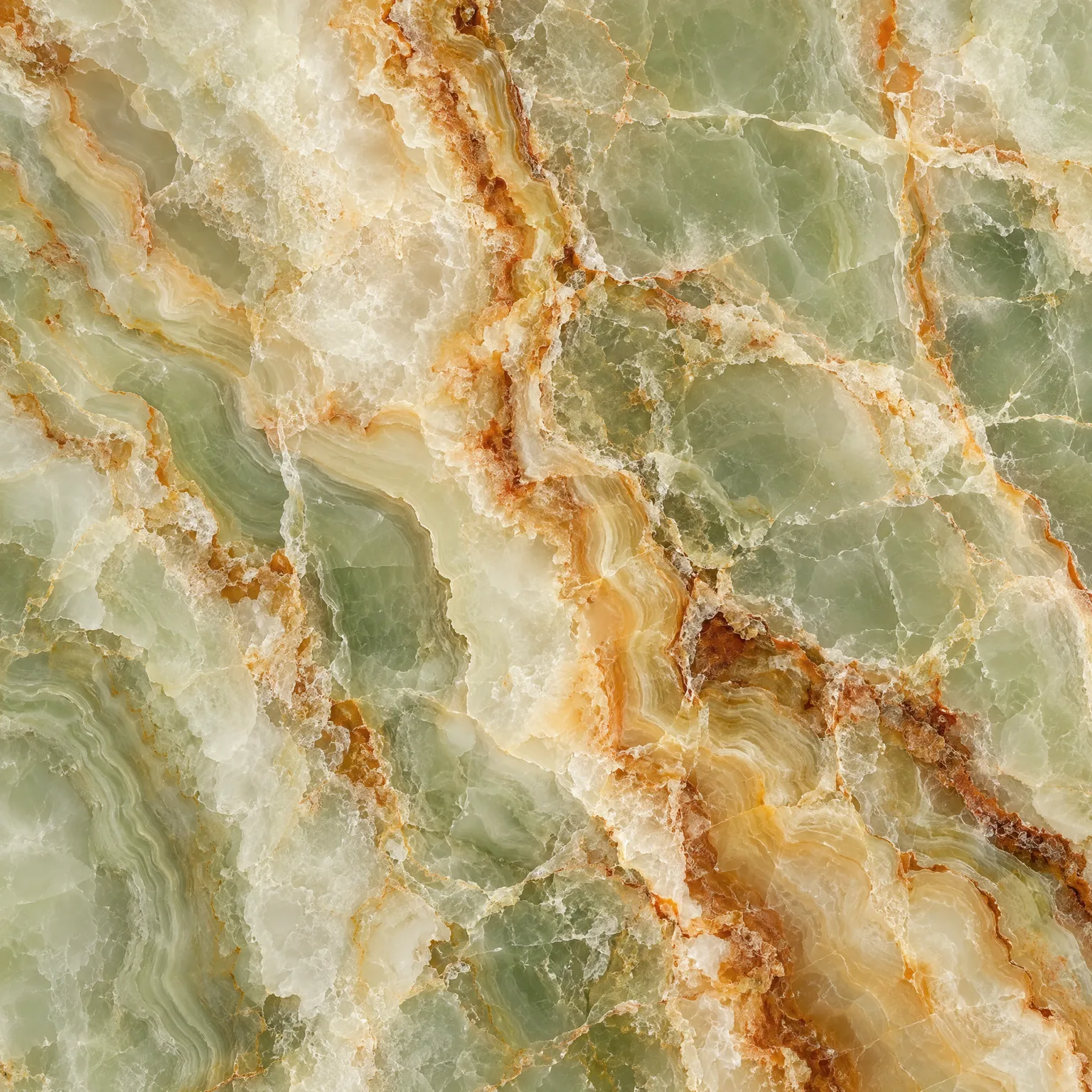
Pakistan Onyx
Pakistan, Balochistan
Translucent, with honey and rust streaks. Despite the name it is neither onyx nor marble but a sinter limestone, used for interior decoration.
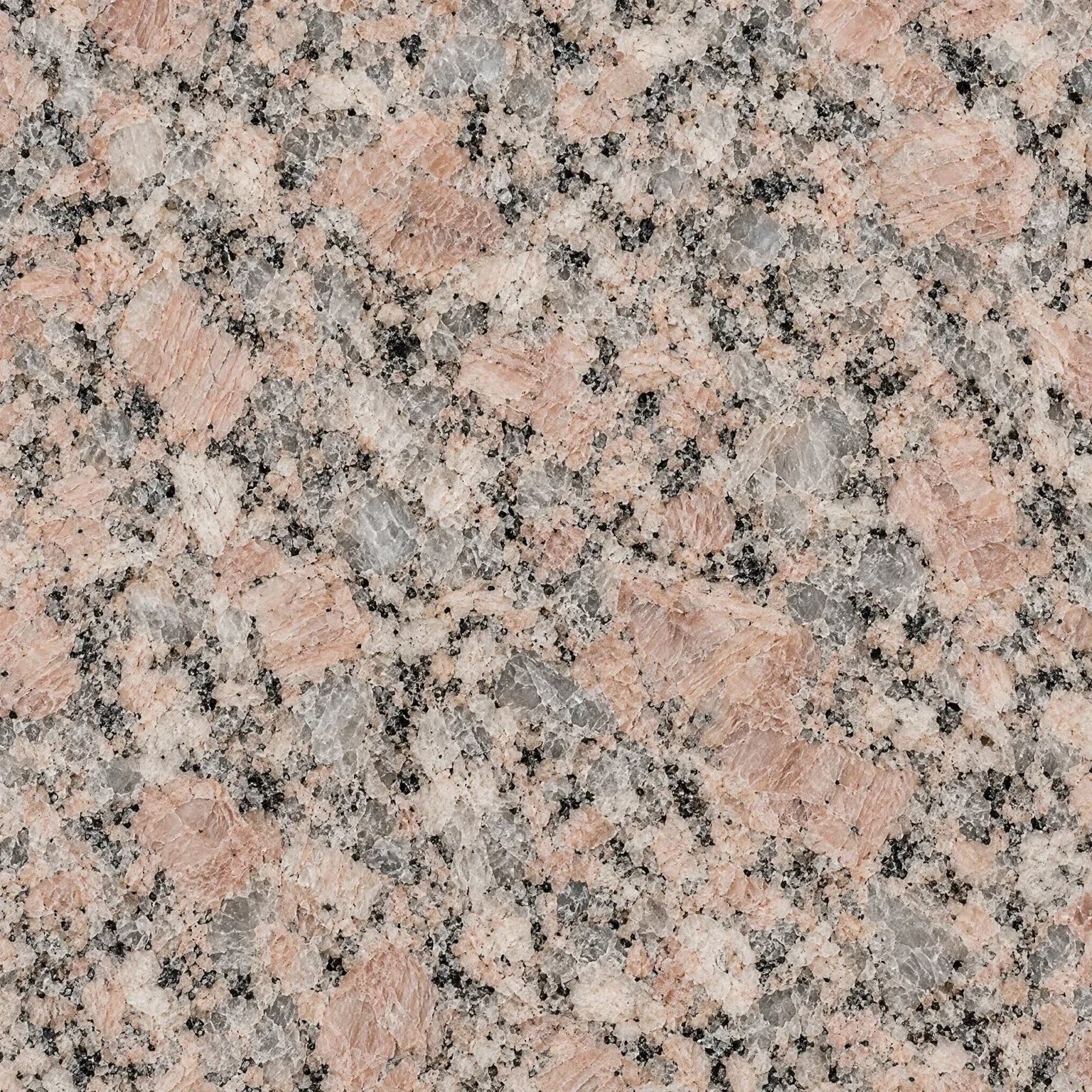
Rosa Beta
Italy, Sardinia (Gallura)
Light grey with pink feldspar, even grained. For kitchen and bathroom countertops, floors, stairs and window sills.
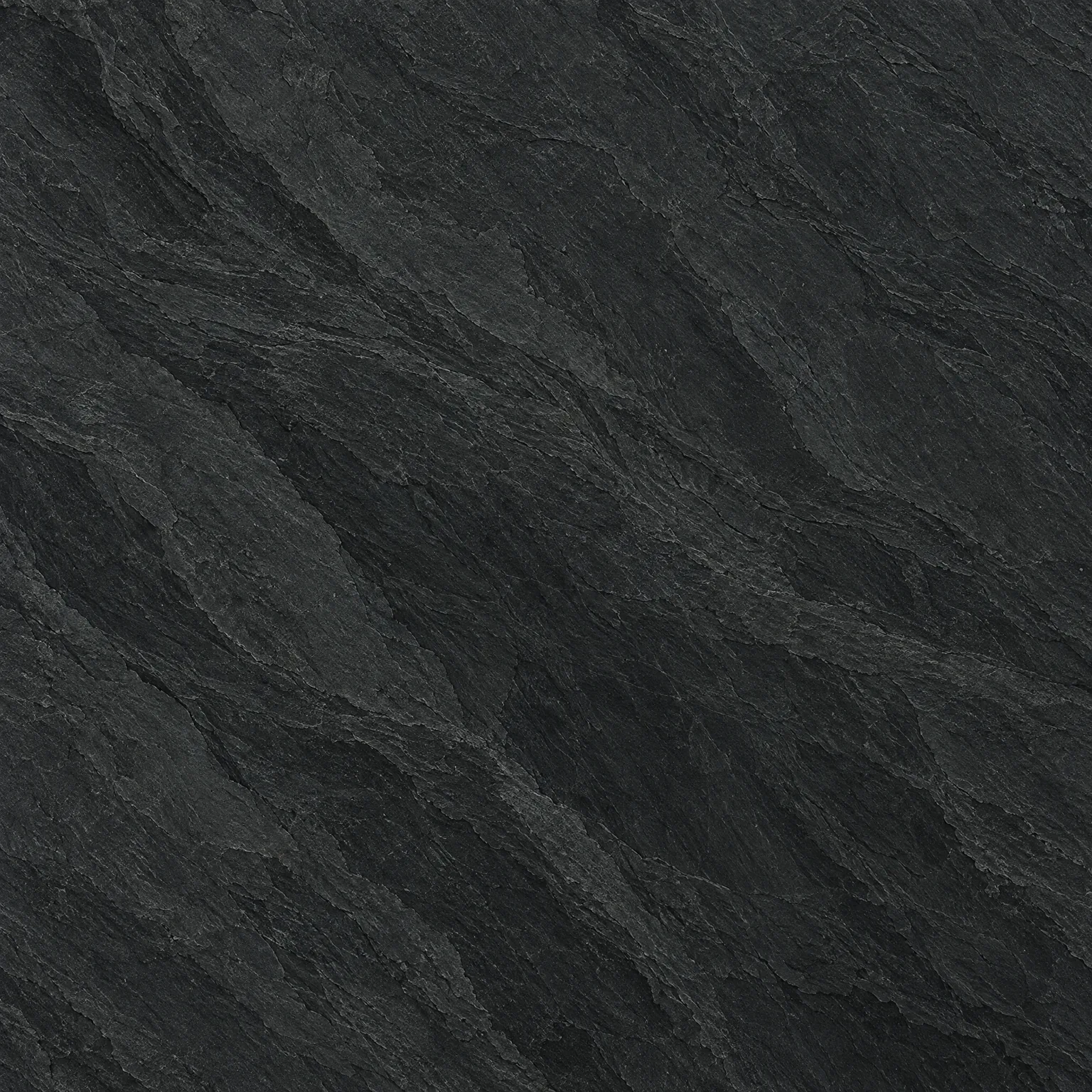
Brazil Black
Brazil, Minas Gerais (Papagaios)
Dark graphite, almost black, very fine grained, with a naturally cleft surface. For floors, cladding, stairs, window sills and roofs.
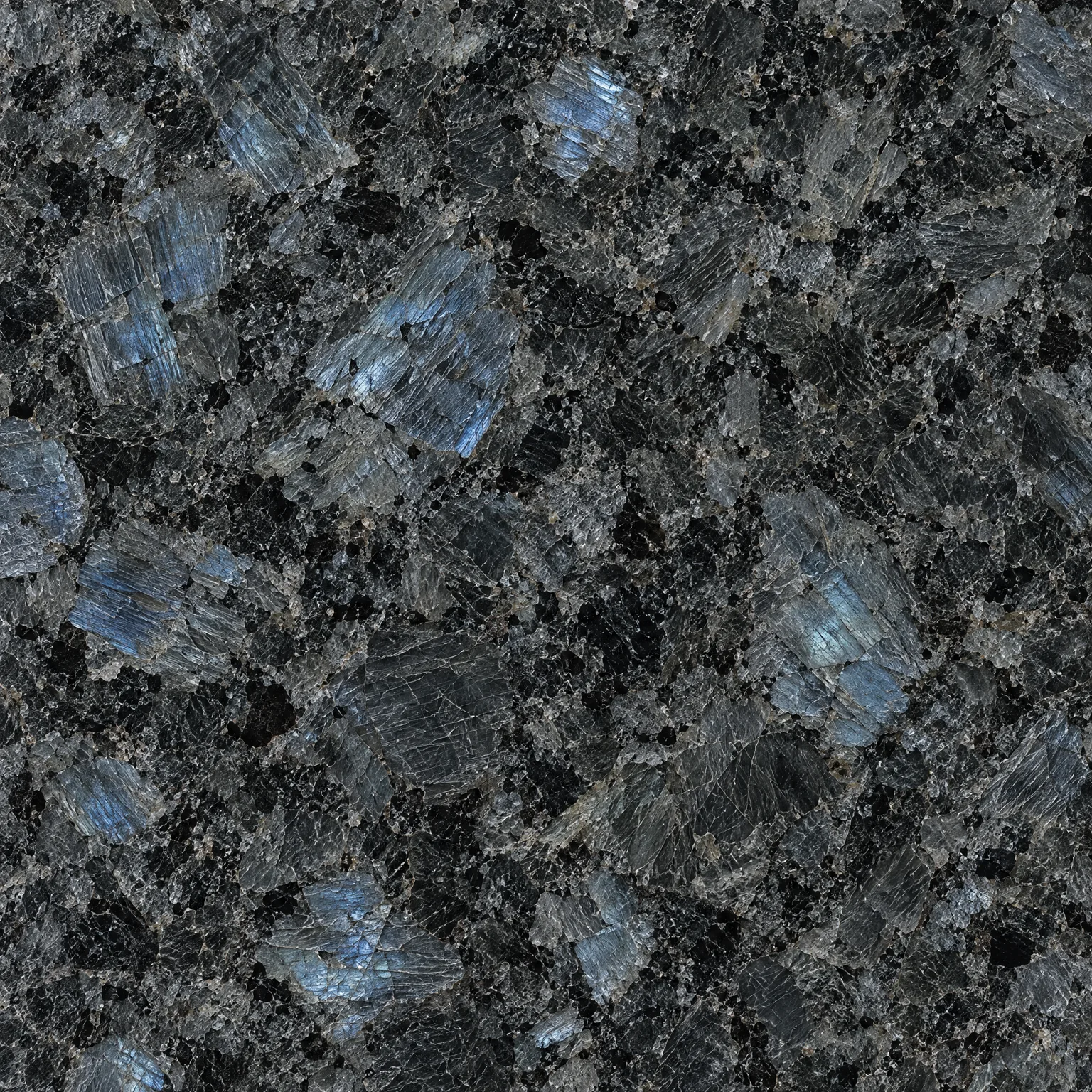
Blue Pearl
Norway, Larvik
The feldspars flash silvery blue when light falls on them. Polished, it goes on countertops and facades.
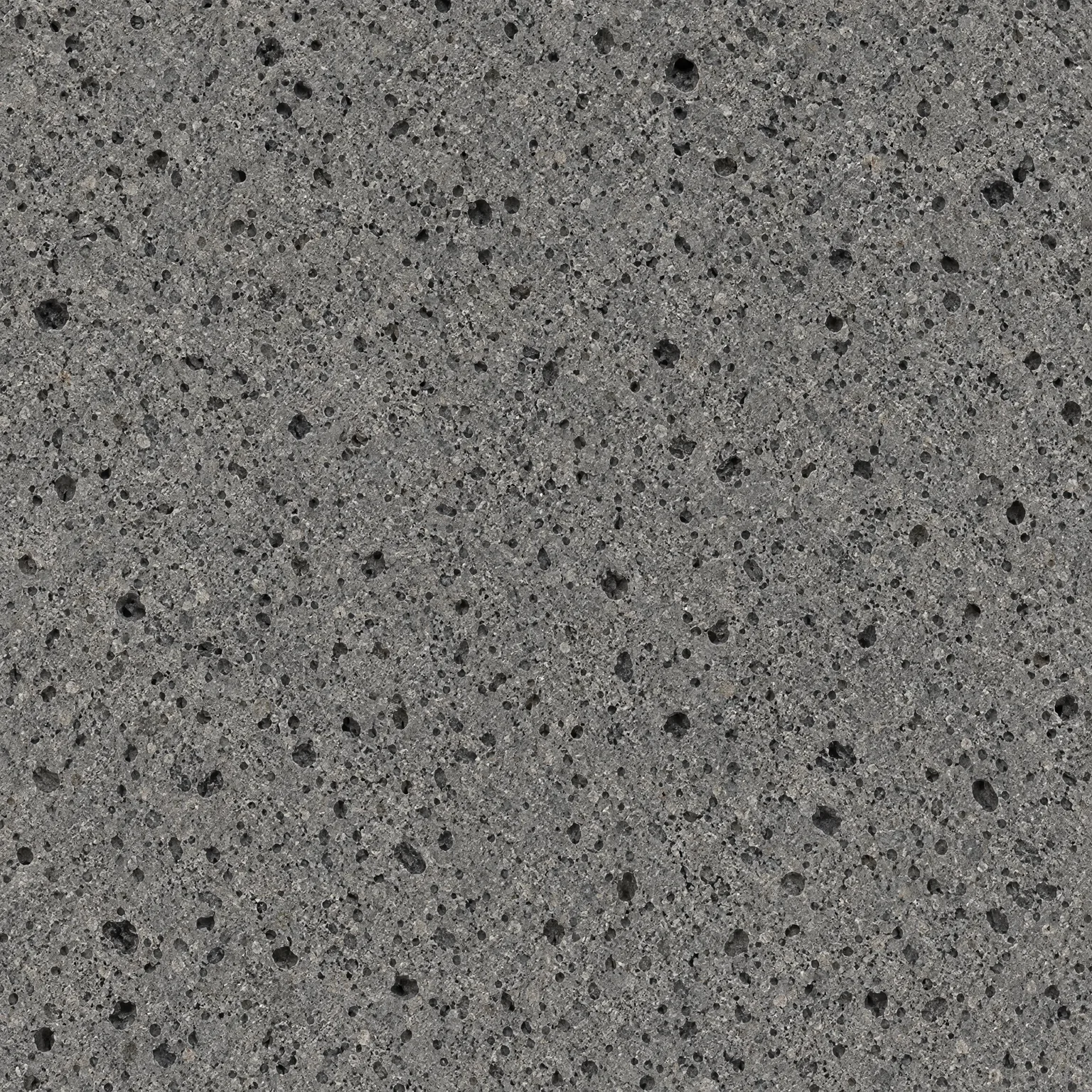
Londorfer Basaltlava
Germany, Londorf (Hesse)
Grey and porous from gas bubbles, frost resistant and very hard wearing. It takes no polish; churches and walls of the region are built of it.
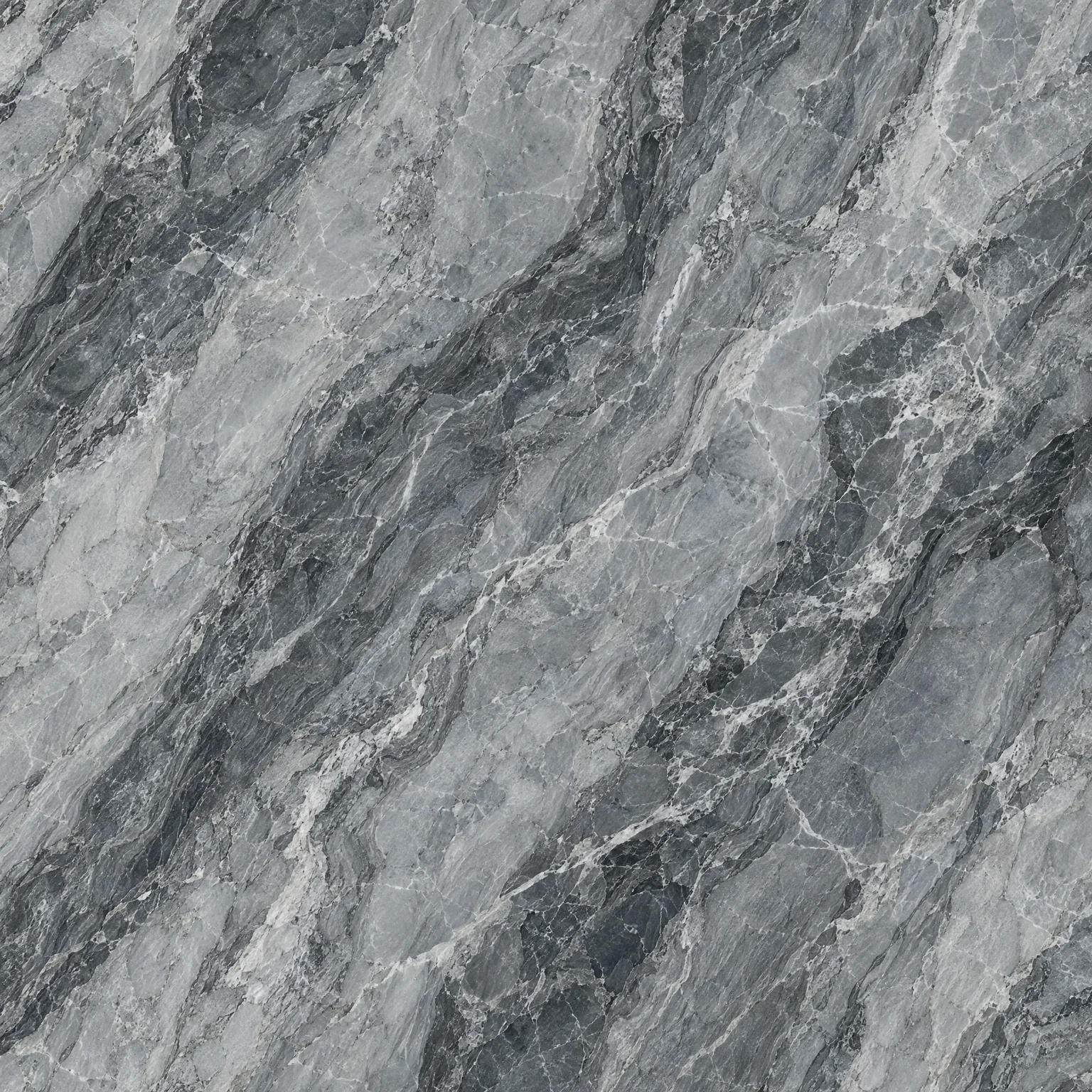
Bardiglio
Italy, Apuan Alps
Blue-grey with darker streaks. Easy to work, for wall cladding, floors and window sills.
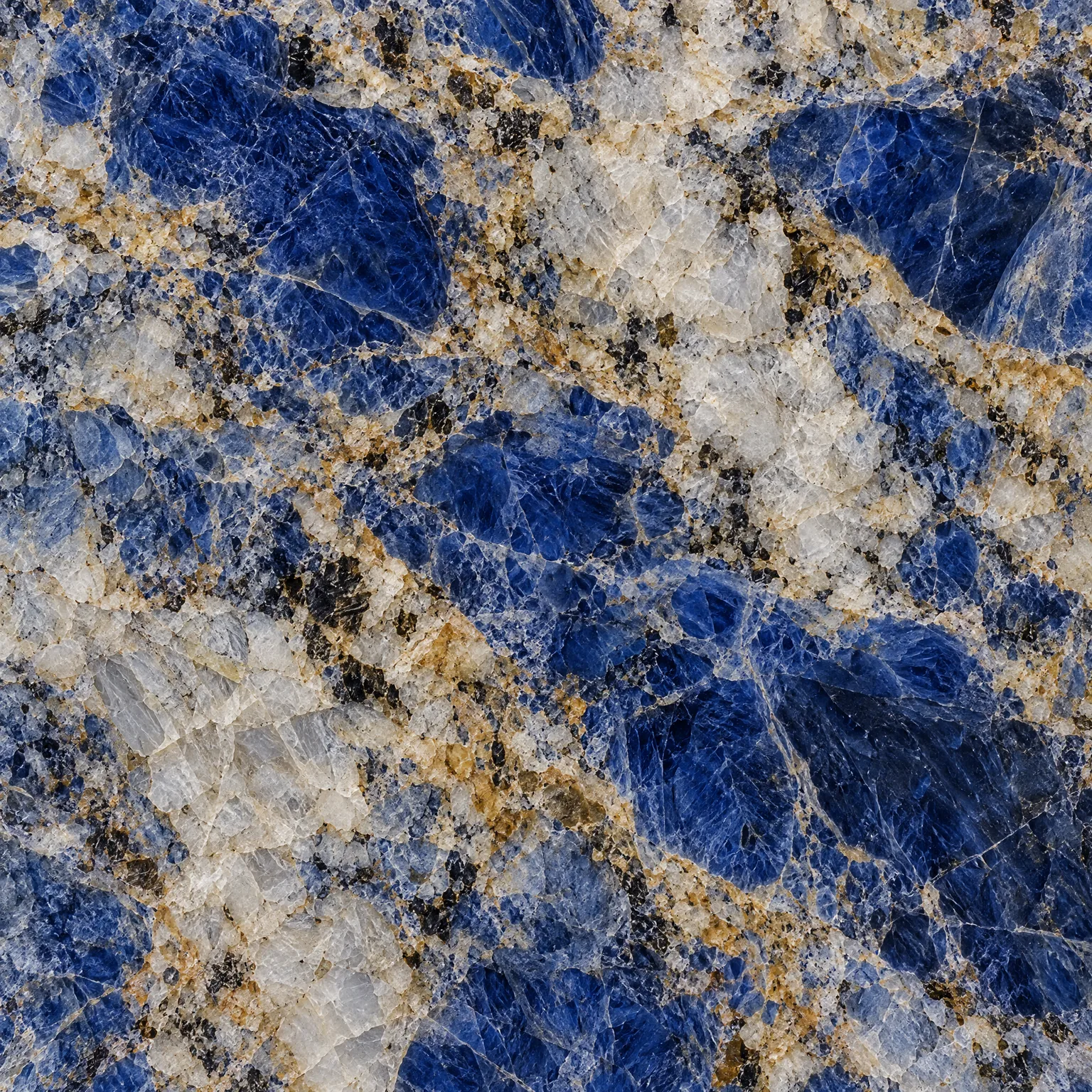
Azul Bahia
Brazil, Bahia (Itaju do Colônia)
Deep blue from sodalite. The deposit covers about one square kilometre, so the stone is rare and costly, kept for special projects.
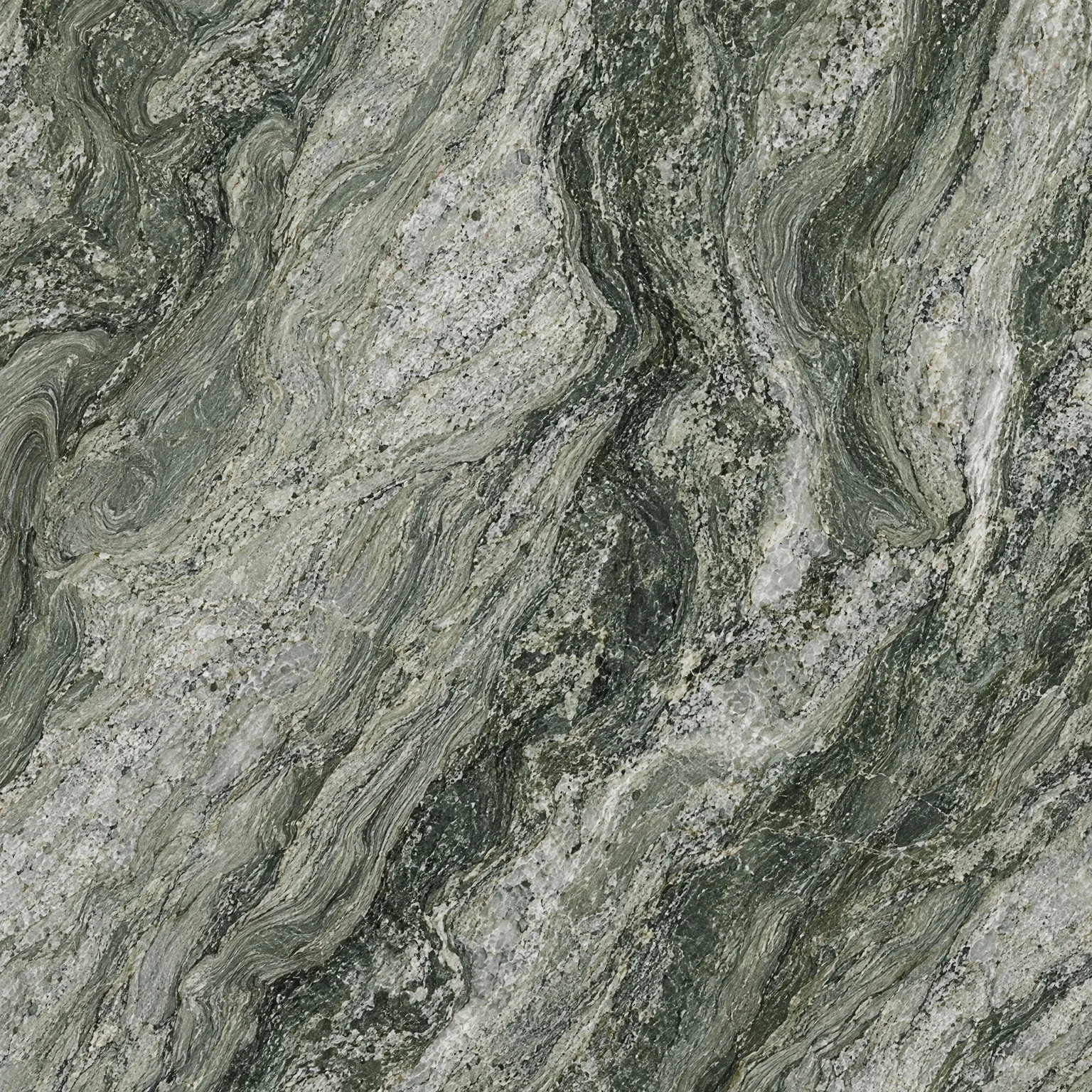
Iguana Green
Brazil, Rio Grande do Norte
Wavy green-grey bands. Sold as granite although it is a gneiss, in polished slabs.
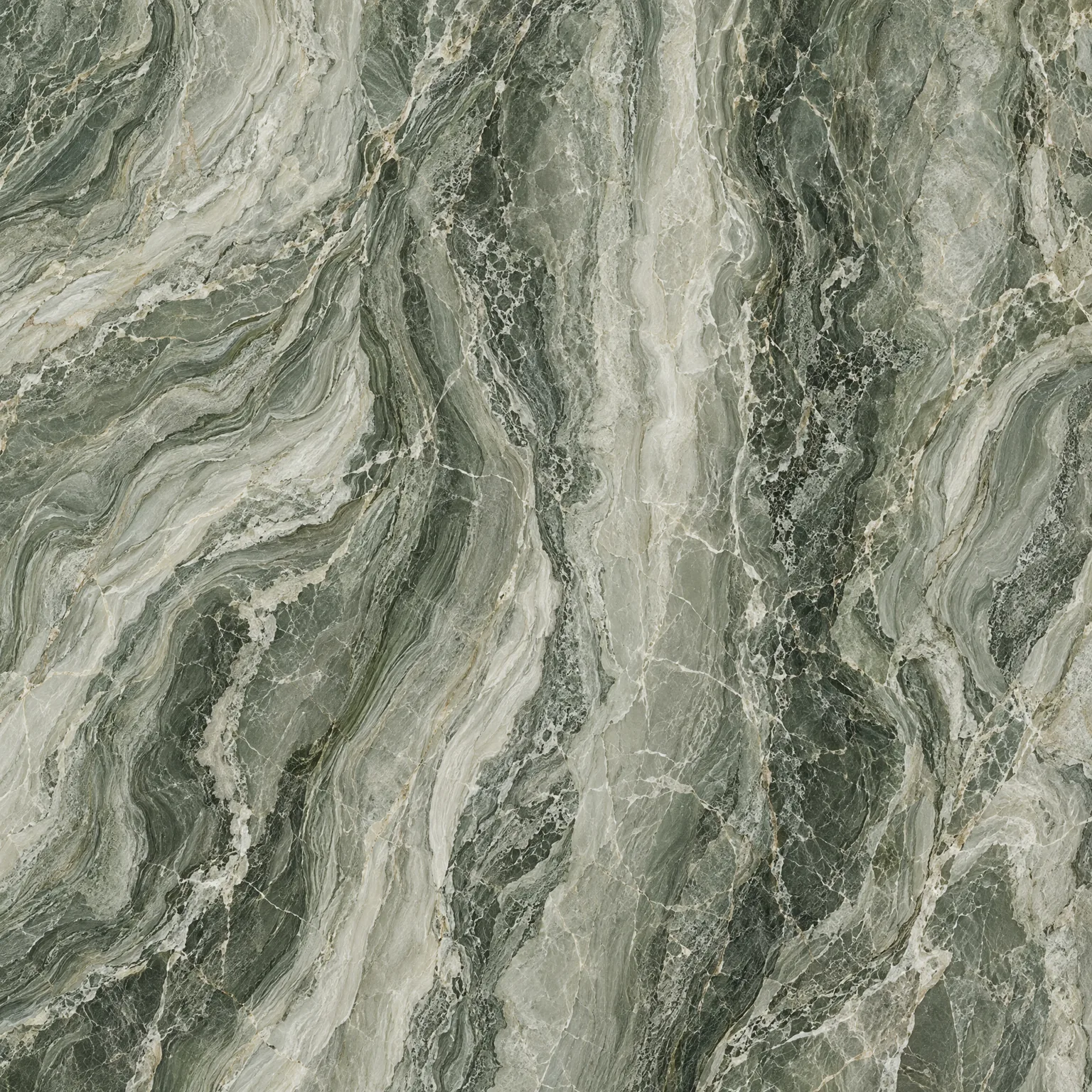
Cipollino
Italy
Wavy green and white layers look like a cut onion, hence the name (Italian cipolla). A decorative stone for cladding and interior details.
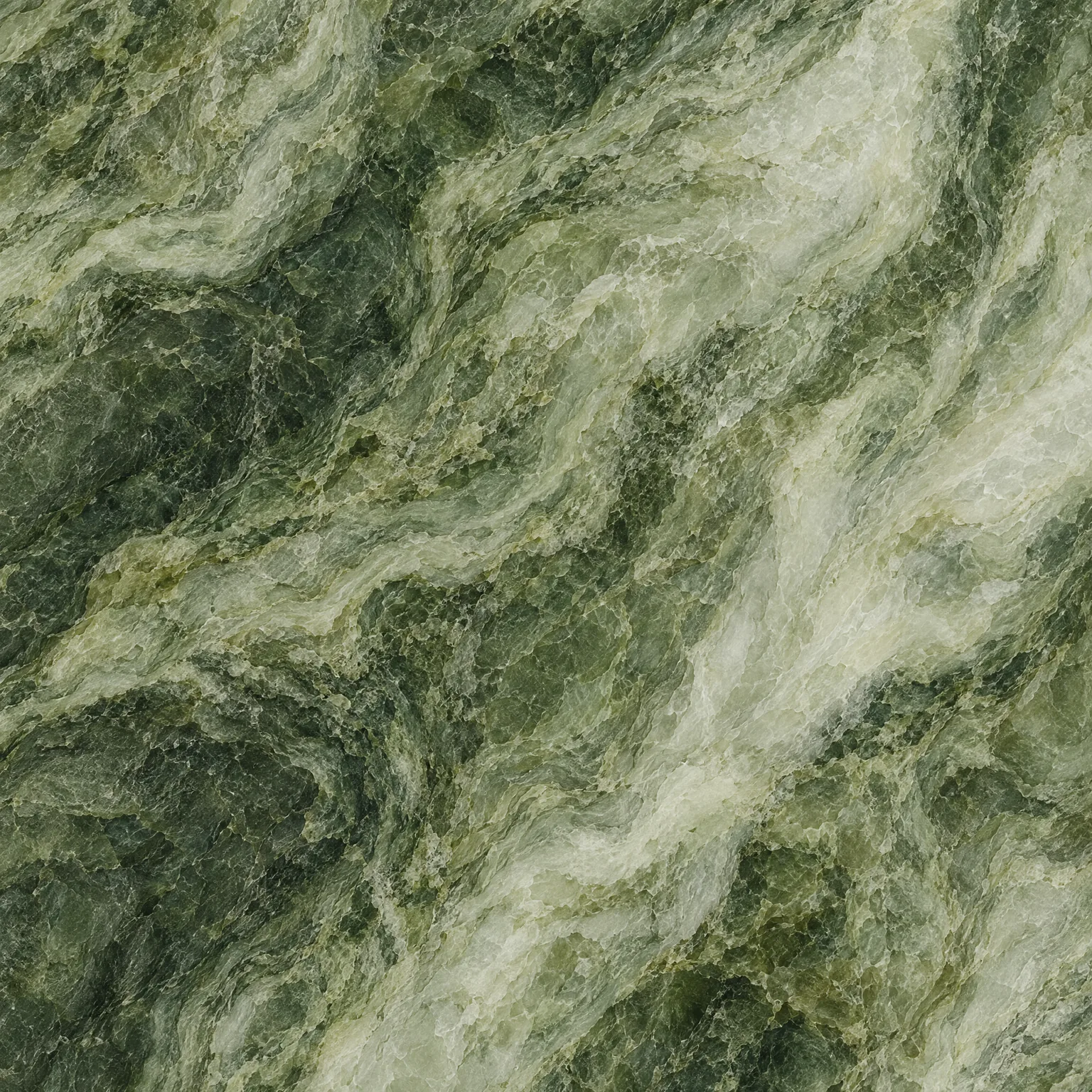
Connemara
Ireland, County Galway
Green from serpentine, named the national gemstone of Ireland. Used for decoration and as a building material.
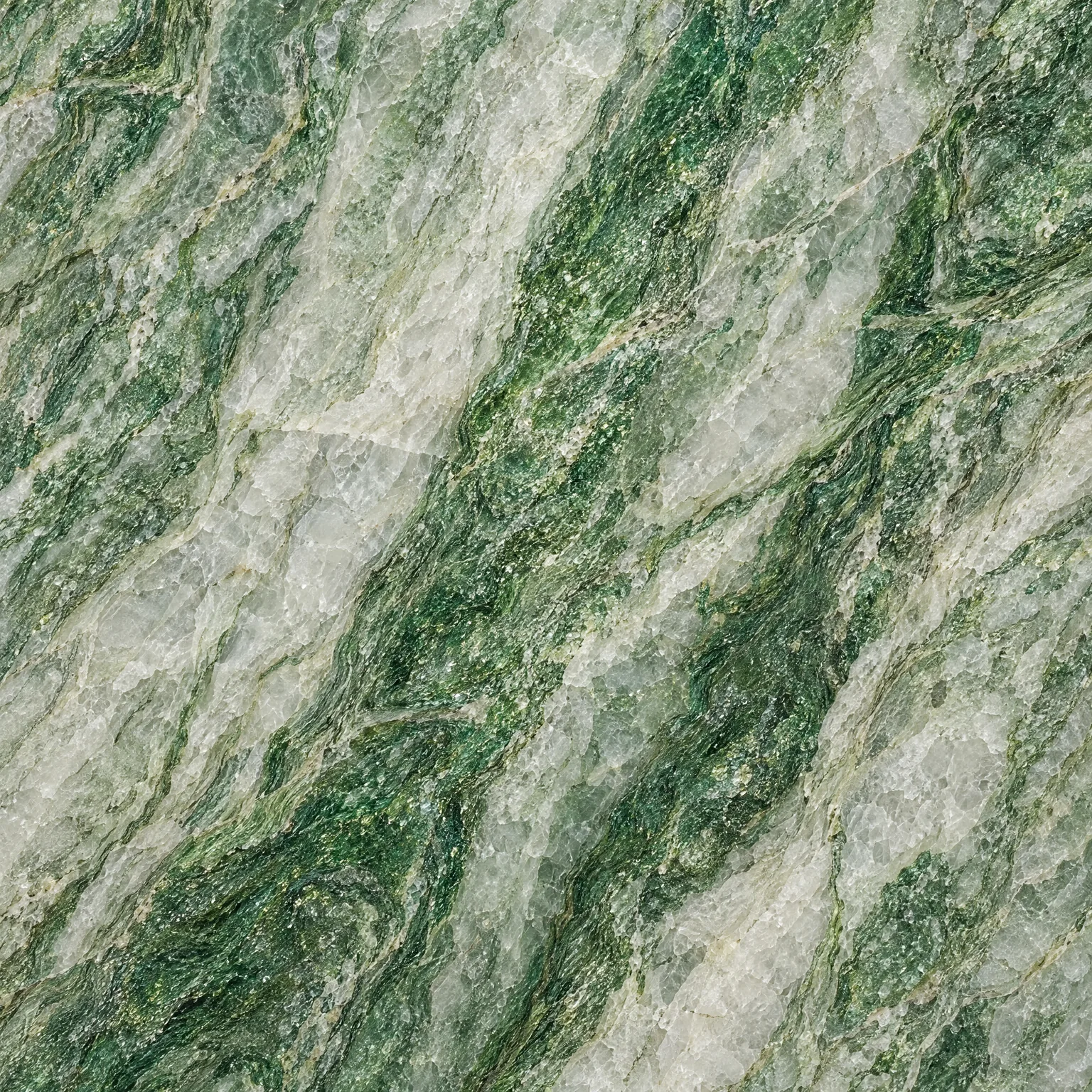
Masi
Norway, Kautokeino (Finnmark)
Green bands of fuchsite, a chromium mica, in pale quartz. Quarried as building and garden stone.
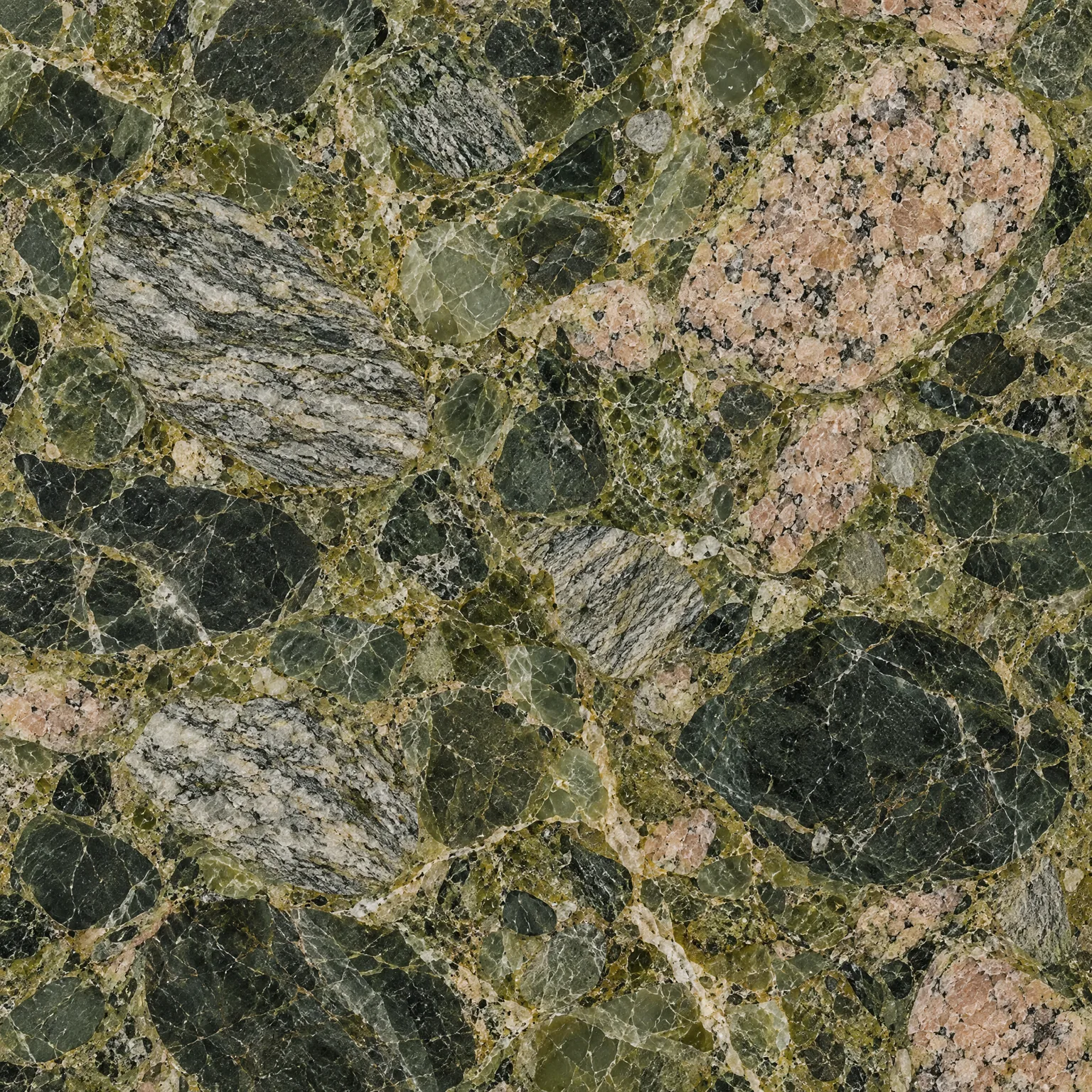
Marinace Green
Brazil, Bahia
Pebbles of granite, gneiss and dark igneous rock in a green epidote matrix. A decorative stone, countertops included.
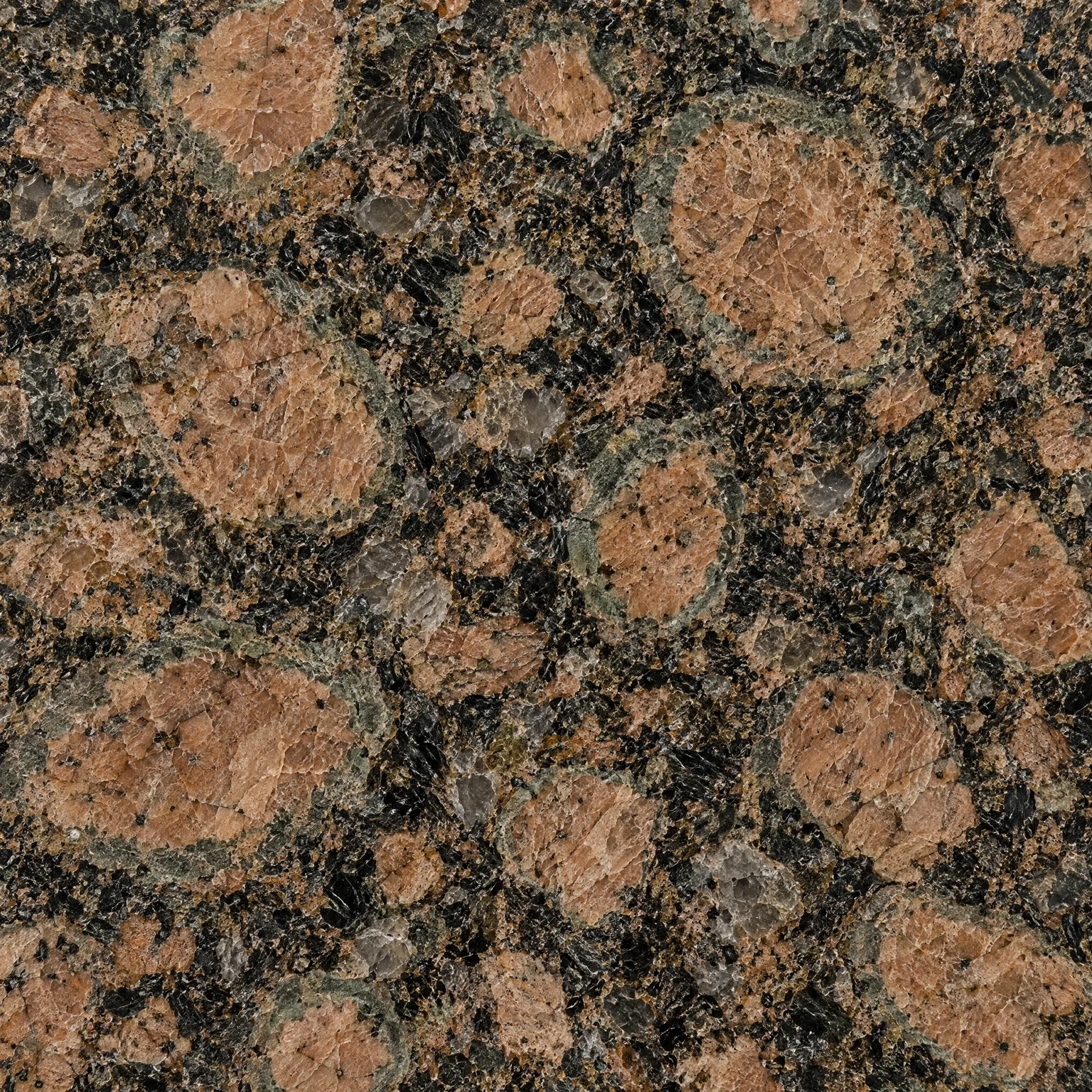
Baltic Brown
Finland, Ylämaa
Large round brown feldspars with dark rims. A popular choice for kitchen countertops, floors and cladding.
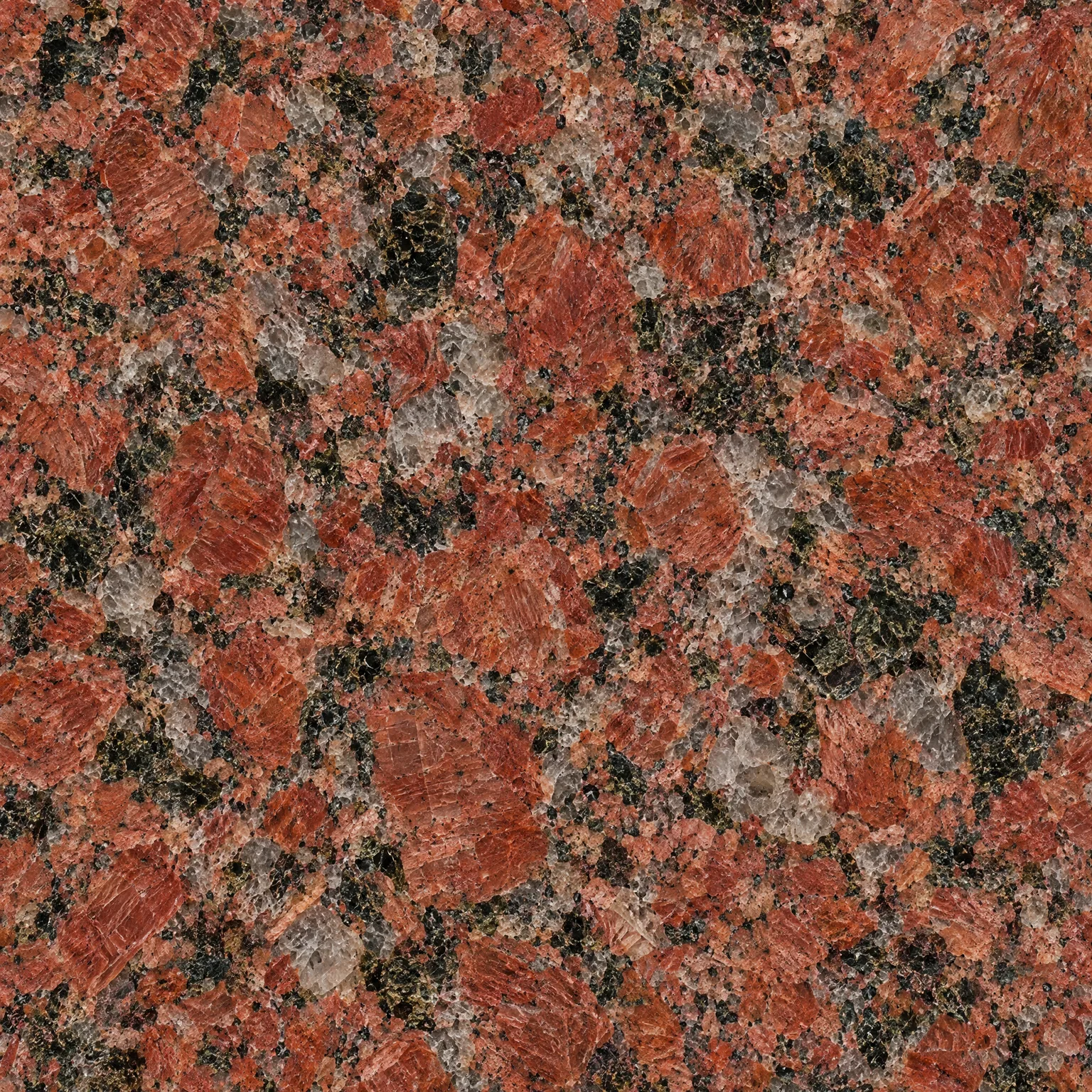
Balmoral Red
Finland, the coast between Turku and Rauma
Red and coarse grained, quarried since the 18th century. For floors, stairs, facades, kitchen countertops and vanity tops.
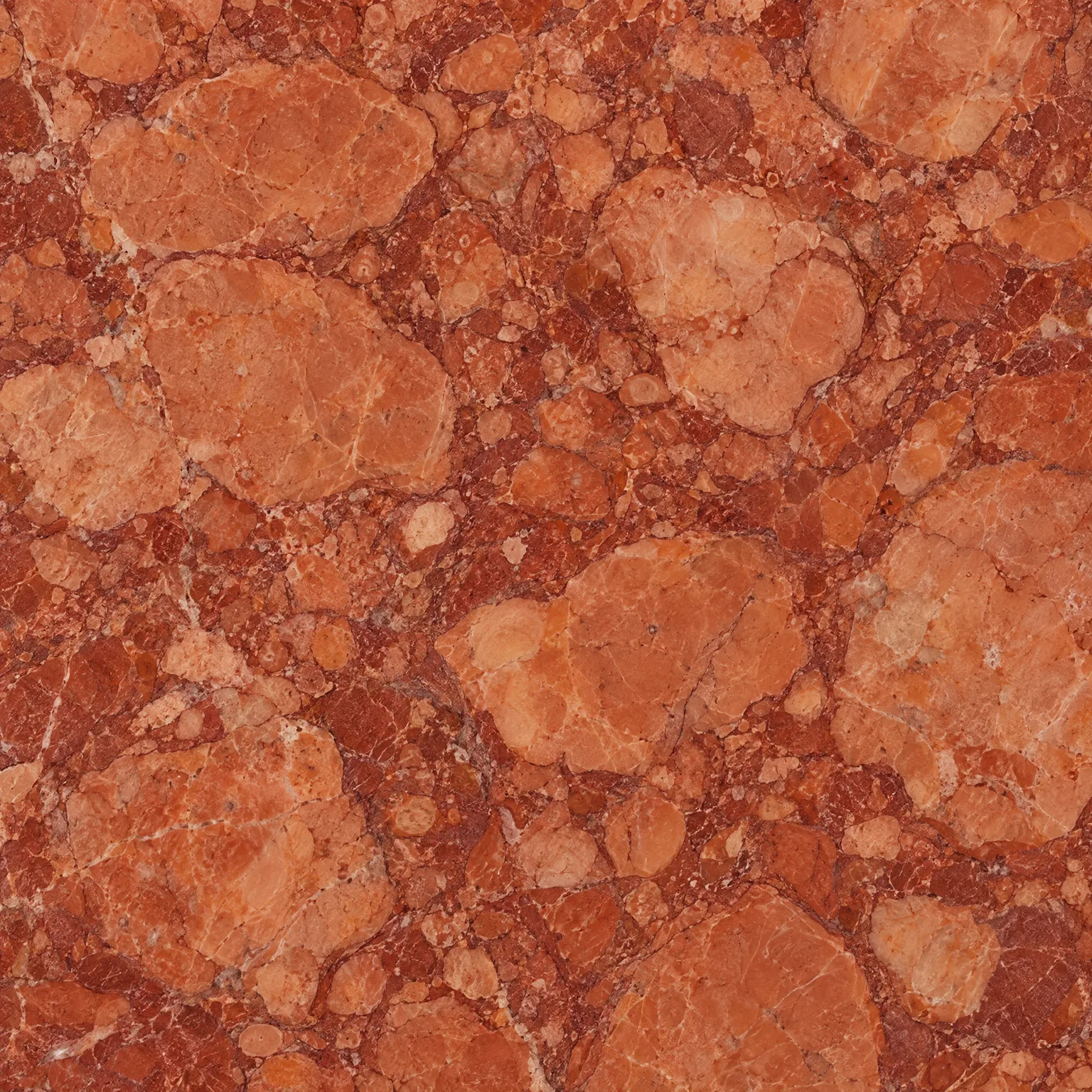
Rosso Verona
Italy, Valpolicella near Verona
Red and salmon nodules in a darker ground. Used for building and decoration for at least two thousand years.
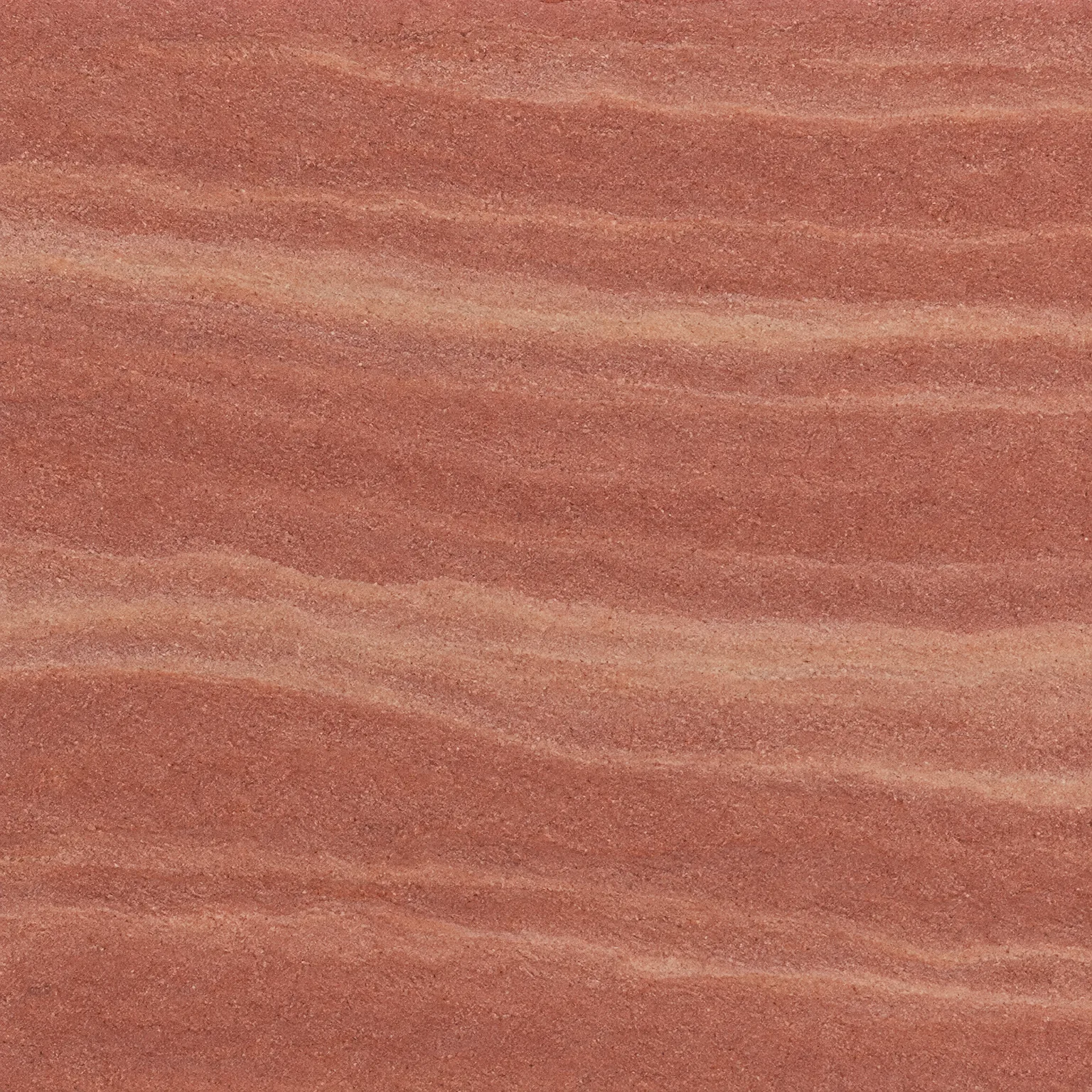
Roter Mainsandstein
Germany, Main valley (Dorfprozelten)
Red with lighter bands, frost resistant. For walls, facade panels, floors and stairs, and for restoring historic buildings.
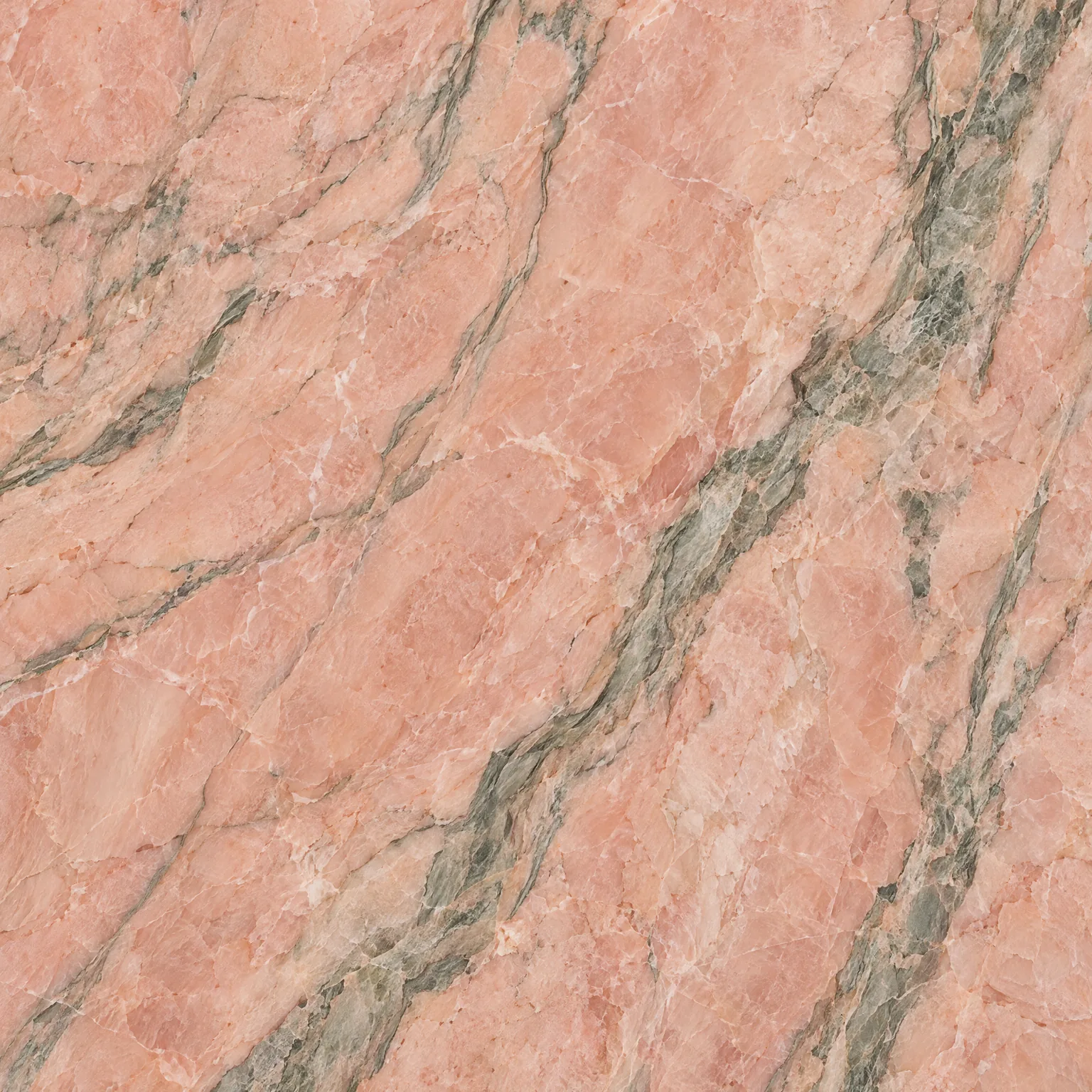
Rosa Portogallo
Portugal, Estremoz (Alentejo)
Pink with grey-green veins. Estremoz marble has served architecture since Roman times and the IUGS lists it as a heritage stone.